The Warm Minimalism of Hakone Onsens
Where cedar joinery, volcanic steam, and autumn rain intersect to create spaces of profound acoustic quiet.
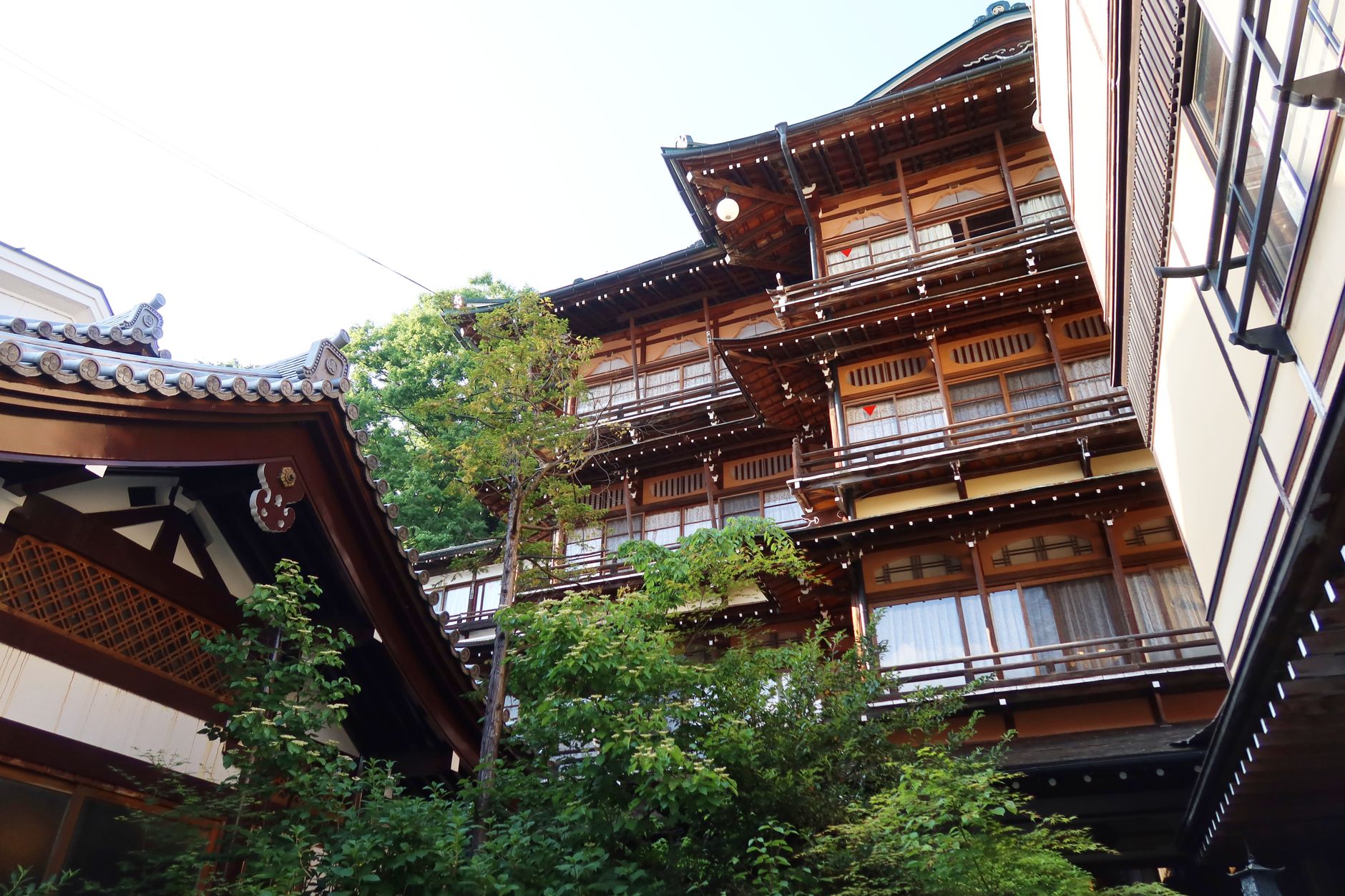
Arriving in Hakone via the winding mountain train from Odawara, the temperature drops and the air assumes the rich aroma of dampened moss and sulfur springs. In an era where hospitality often equates to digital excess and sensory bombardment, the traditional Japanese onsen ryokan operates with radical restraint.
The Grammar of Hinoki and Water
At Ginyu, nestled along the steep gorge of the Haya River, there are no paintings on the walls. The architecture steps aside to let the cedar trees, the drifting clouds, and the sound of falling water become the living artwork. Floors are laid with natural rush tatami that softens each step into whisper-quiet motion.
The hot spring bath (rotenburo) is fashioned from local river stones and fragrant hinoki cypress. Immersion here is ritualistic: the sulfurous mineral waters, drawn straight from the volcanic caldera, relax muscle tension while cool mountain mist settles on your forehead.
“True architectural calm is not the absence of substance, but the elimination of everything that divides the human body from its environment.”
The Kaiseki Discipline
Dinner is served in-room with monastic attention to detail. Every vessel — whether glazed Bizen stoneware or carved bamboo — complements the seasonal ingredients: wild river sweetfish grilled over binchotan charcoal, mountain yams, and pickled chrysanthemum petals. It is a quiet celebration of autumn that asks for neither applause nor photography, only mindful consumption.