In Search of Ancestral Grains in High Sicily
Beyond the bustling coastlines of Catania, the high inland plateaus tell a story of resilience written in amber wheat fields and stone mills.
The midday wind in the Sicilian interior carries the scent of wild fennel and sun-baked volcanic soil. Here, near the village of Castiglione di Sicilia, the tourist coaches never arrive. What one finds instead is an austere landscape of undulating gold, punctuated by dark basalt outcrops that remind you of the restless mountain looming to the south.
The Varieties Forgotten by Industrial Scale
For decades, commercial agro-industrial giants incentivized fast-yielding, high-gluten dwarf wheat. Yet local millers like the Barbagallo brothers quietly conserved heirloom seeds: Timilia, Russello, and Perciasacchi. These ancient grains possess deep root networks capable of drawing minerals from deep beneath the arid earth without artificial fertilizers.
“When you taste bread made from stone-milled Timilia, you are not merely taking nourishment; you are tasting volcanic minerals formed over three millennia.”
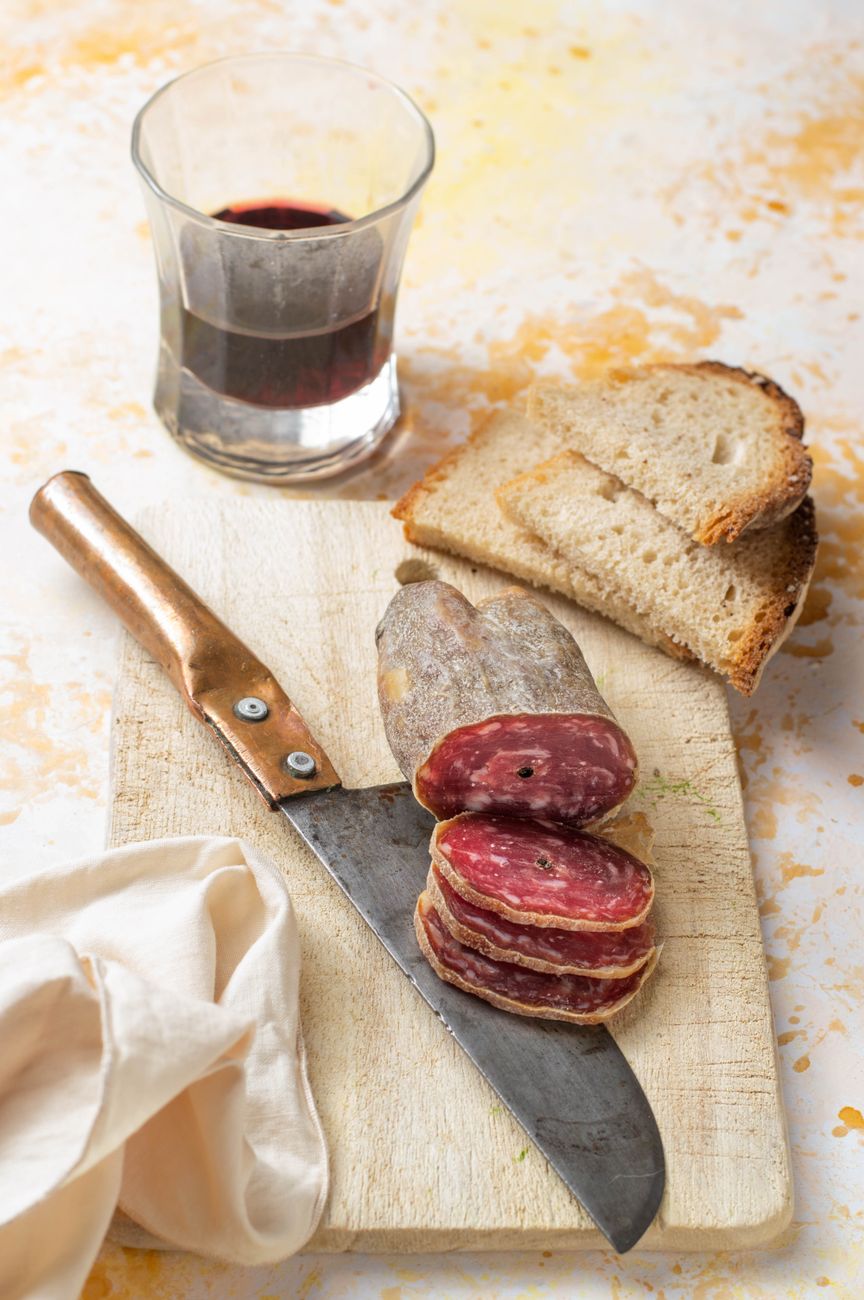
In the rustic workshop of Molino del Sole, wooden sieves vibrate with hypnotic cadence. The flour that spills forth is not the bleach-white powder common in city supermarkets, but an earthy cinnamon-flecked semolina. Kneaded simply with spring water and a sourdough mother born during the second World War, the resulting loaves possess a thick mahogany crust and a crumb that stays fragrant for up to ten days.
Slow Table Etiquette
Sharing an afternoon meal with the growers here requires letting go of schedule. Dishes arrive at their own pace: hand-rolled busiate pasta tossed with wild mint and fresh almond pesto, followed by sheep's ricotta smoked over dried grapevine shoots. There are no menus, no QR codes, and no rush to vacate the weathered pine table.
As the late sun turns the volcanic slopes into shades of burnished copper, one realizes why slow travel is not an indulgence of luxury, but an act of culinary reclamation. In taking the time to understand the grain, we understand the people who guard it.